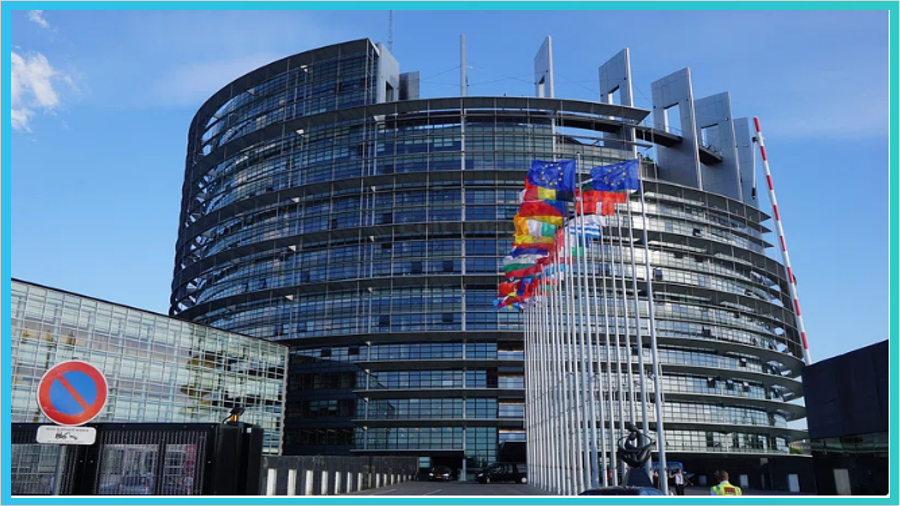
European Union leaders have endorsed a landmark €90 billion financial support package for Ukraine, moving ahead despite open dissent from Hungary, Slovakia and the Czech Republic. The agreement, finalised at a Brussels summit, will provide Kyiv with large‑scale macro‑financial assistance across 2026–2027, funded through EU‑backed borrowing on capital markets.
The package is designed to help Ukraine maintain essential government functions, stabilise its economy and continue rebuilding infrastructure damaged by Russia’s full‑scale invasion. According to summit conclusions, Ukraine will begin repaying the loan only after receiving reparations linked to the war.
However, the deal exposed deep divisions within the bloc. Under an “enhanced cooperation” mechanism, Hungary, Slovakia and the Czech Republic formally opted out of participating in the loan scheme, meaning they will carry no financial obligations or budgetary risk associated with the programme. Hungarian Prime Minister Viktor Orbán defended the decision, arguing that joining the initiative would impose an undue burden on future generations. “We spared our children and grandchildren from the burden of this massive €90 billion loan,” he said in a statement.
Despite the dissent, the remaining EU members moved forward, underscoring the bloc’s determination to maintain long‑term financial support for Ukraine. The mechanism allows willing states to proceed without unanimous backing—an increasingly common tool as the EU navigates internal disagreements over its Ukraine policy.
The approval marks one of the EU’s most significant financial commitments to Kyiv to date, signalling continued strategic support even as political fractures persist within the union.