By a Research Assistant, Middle East and North Africa Division
On November 23, Yemen’s President Rashad al-Alimi stated in a cabinet meeting that “it is unacceptable for the Yemeni government to remain without a single ministerial portfolio led by a woman in a country where women make up more than half of the population.” Al-Alimi added that women “possess the expertise and competence that make their absence a legal and institutional flaw that must be corrected.”
Yemeni Prime Minister Salem Saleh bin Buraik offered a similar sentiment in June 2025, praising “the remarkable role played by Yemeni women amid current challenges, affirming the government’s commitment to strengthening their participation in decision-making and ensuring a meaningful, effective partnership on the ground.”
The United Nations Development Programme noted in 2021 that “Yemeni women remain significantly under-represented in public and elected office holding only 4.1 per cent of managerial and decision-making positions …” Despite the repeated statements, women’s marginalization from government decision-making remains largely unchanged.
In 2020, the former Prime Minister Maeen Abdulmalek formed his second cabinet without any women ministers—the same cabinet that remains in place today. Abdulmalek’s previous cabinet included only two women out of 36 ministers; since 2014 Yemeni women’s representation at the cabinet level has been strikingly low. Beyond ministerial [or cabinet] roles, women’s participation in decision-making should be actively supported in local government, private sector initiatives, and civil society.
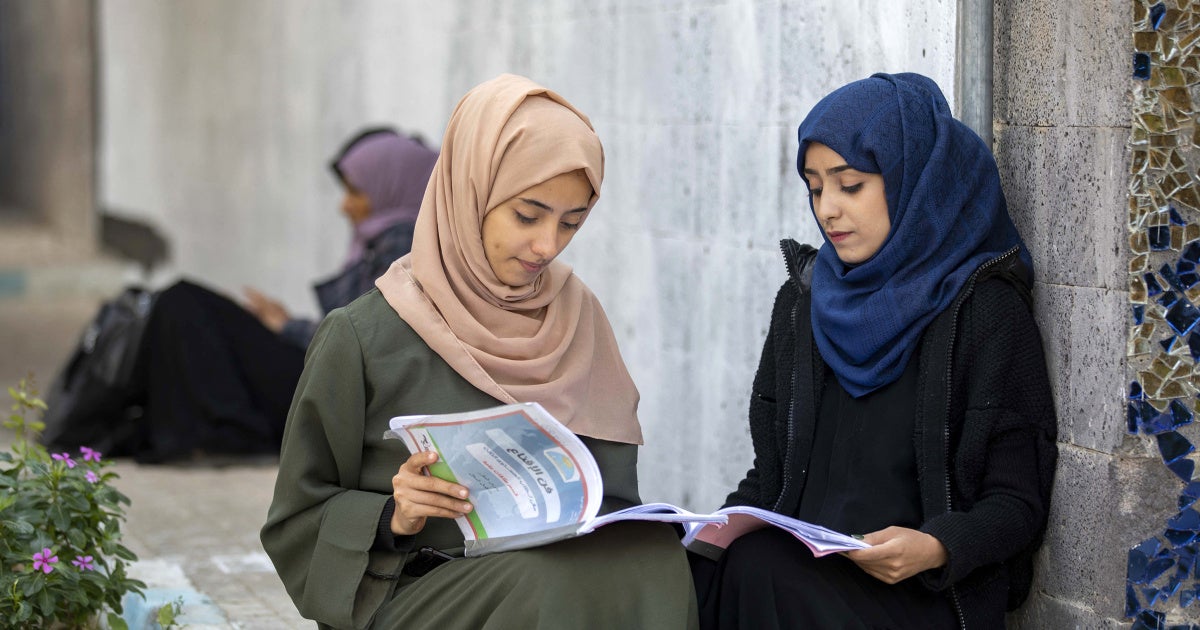
Women in Yemen face continued challenges and risks as warring parties continue to target them. In March 2024, Human Rights Watch published a report documenting the parties’ violations and restrictions against women stating that “the restrictions have harmed women’s ability to access work, education, and health care, and are a form of discrimination.” The Yemeni authorities have failed to fully address restrictions on women’s movement, even within their own areas of control.
Yemeni women are also victims of political violence, including assassinations. On September 18, 2025, Ms. Iftihan al-Mashhari, head of the Cleaning and Improvement Fund, was assassinated in Taiz city by armed assailants.
While Human Rights Watch welcomes the recognition of women’s importance by the head of the Presidential Leadership Council, the government needs to translate this rhetoric into reality, including by expanding women’s role in decision-making at all levels of government and by addressing the mobility challenges and restrictions women face. The government, as well as the UN, should also ensure that women are adequately included in peace talks and any transitional justice efforts. Beyond simple inclusion in visible roles, the government and its partners should address the underlying structural barriers, including discrimination that women face, across all levels of society.