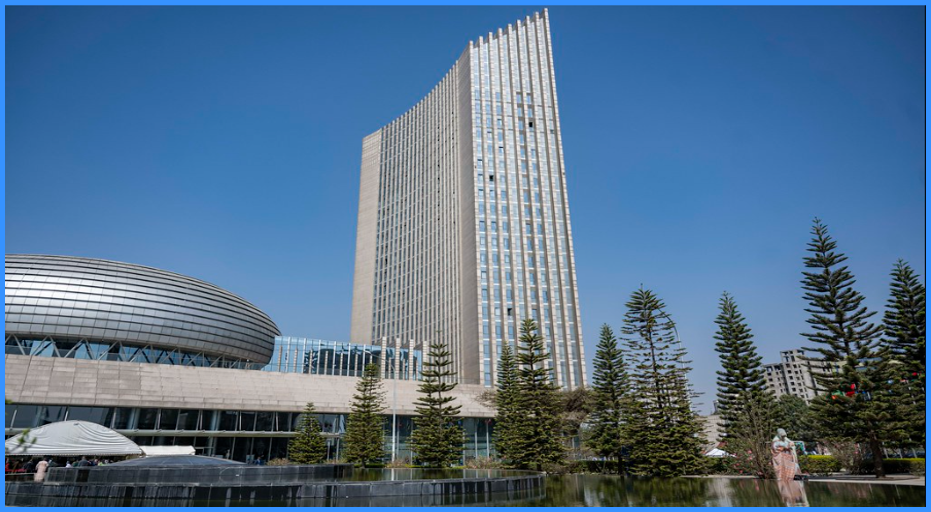
Heads of state and diplomats from across the continent are descending on the Ethiopian capital this Wednesday for a high-stakes, two-day African Union (AU) Summit. The gathering arrives at a definitive moment for the 55-member bloc as it grapples with a surge in regional instability, the economic fallout of global trade shifts, and a renewed push for “African solutions to African problems.”
The 2026 summit is expected to be dominated by the ongoing crisis in Sudan and the recent wave of democratic backsliding in West Africa. With the AU’s “Silencing the Guns” initiative facing its sternest test yet, leaders will look to move beyond rhetoric to implement enforceable security frameworks.
A Critical Security Agenda
The primary focus of the talks remains the restoration of peace in conflict-heavy corridors. Since the start of the year, several key flashpoints have demanded the AU’s immediate intervention:
- The Sudan Resolution: Following the recent return of the Sudanese government to Khartoum, the AU is under pressure to broker a permanent ceasefire and oversee a transition to civilian rule, particularly as foreign military interests continue to expand in the region.
- Regional Integration: Leaders are set to discuss the acceleration of the African Continental Free Trade Area (AfCFTA). With global protectionism on the rise, the AU is prioritizing internal trade to buffer the continent against external economic shocks.
- Democratic Governance: The summit will address the status of suspended member states following a series of coups in the Sahel. The challenge for the AU remains balancing strict constitutional principles with the pragmatic need for regional security cooperation.
Geopolitical Shifts and Global Representation
The summit also marks a year since the AU secured its permanent seat in the G20, a milestone that has shifted the bloc’s focus toward global financial reform.
| Strategic Priority | Key Objectives | Expected Outcome |
| Security Architecture | Strengthening the African Standby Force | New funding models for peace missions |
| Climate Finance | Securing “Green Transition” funds | Unified African position for COP31 |
| Food Sovereignty | Reducing reliance on grain imports | Incentives for cross-border agri-hubs |
“The time for the continent to act as a unified geopolitical force is no longer a choice, but a necessity,” noted one senior diplomat ahead of the opening ceremony. The presence of international observers from the UN and the European Union underscores the global stakes of these deliberations.
The Road Ahead: Addis 2026
As the summit opens in the shadow of the newly inaugurated $12.5 billion Bishoftu International Airport project, the atmosphere in Addis Ababa is one of cautious optimism. For the African Union, the next 48 hours represent a crucial opportunity to prove that it can effectively mediate its own disputes and lead the continent toward the “Agenda 2063” vision of a prosperous and peaceful Africa.
The proceedings conclude Thursday with a final communique expected to outline new sanctions for unconstitutional changes of government and a roadmap for enhanced regional security.
African Union Venue, Addis Ababa, Ethiopia, Flickr Picture from President Paul Kagame Photostream (CC 2.0)