Oworonshoki Demolitions in Lagos Intensify: Court Orders Ignored, Fatalities Reported, and Human Rights Concerns Mount
Escalating Demolitions and Fires
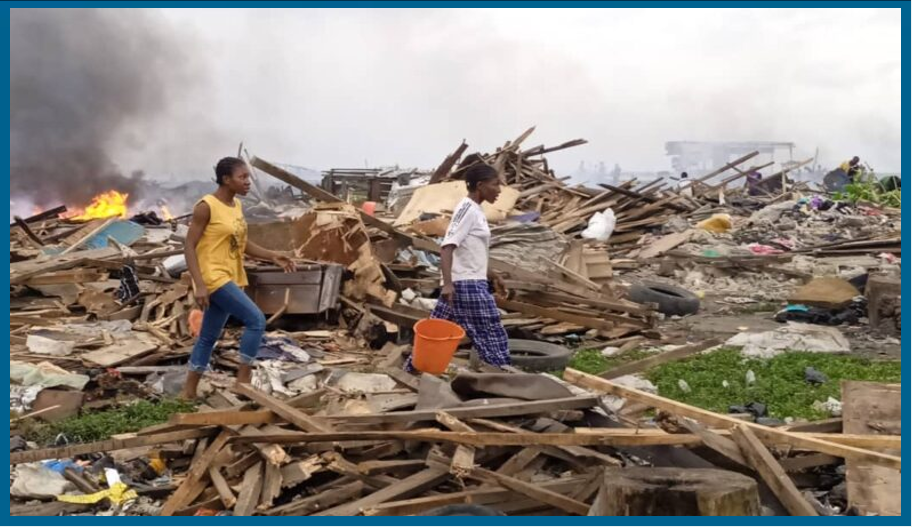
The Oworonshoki community in Lagos has faced a fresh wave of demolitions and alleged arson through November 2025, despite multiple court injunctions restraining the Lagos State Government from further clearance operations. Bulldozers, accompanied by heavily armed police, razed homes late at night, with residents reporting fires in Coker and Precious Seed communities. Eyewitnesses described scenes of chaos, with families forced to flee as properties were destroyed Sahara Reporters Sahara Reporters environewsnigeria.com.
Fatalities and Humanitarian Toll
Human rights groups, including Amnesty International, condemned the demolitions as among the most violent in nearly a decade. At least two children — a newborn and a five‑year‑old — were killed during the November 25 operation, while subsequent demolitions saw further deaths, including a 15‑year‑old girl and an elderly man succumbing to distress and displacement Sahara Reporters Daily Post Nigeria. The humanitarian toll continues to rise, with thousands left homeless and vulnerable to disease and hunger.
Arrests and Releases
Residents who attempted to resist the demolitions were detained. The Take‑It‑Back Movement confirmed the release of 13 individuals imprisoned at Ikoyi Correctional Centre, who had been arrested while defending their homes. Activists allege that arrests were ordered directly by the Lagos State Government and carried out by police Sahara Reporters.
Legal Orders Ignored
On October 23 and November 16, Lagos courts issued injunctions halting demolitions in Oworonshoki. Despite these rulings, clearance operations continued, raising serious questions about rule of law and judicial authority in Nigeria Daily Post Nigeria Vanguard News.
Compensation Disputes
The Lagos State Government claims to have initiated compensation through the Urban Renewal Agency, with payments reportedly made at the Oloworo Palace. However, residents and civil society groups argue that the process is opaque, inadequate, and disconnected from the scale of losses. Offers of ₦300,000–₦500,000 per structure have been widely rejected as insufficient to rebuild homes destroyed after decades of settlement PM News Nigeria.
Human Rights and International Standards
Rights advocates stress that the demolitions violate Section 34 of Nigeria’s Constitution, which prohibits cruel and degrading treatment, as well as international safeguards under the UN Basic Principles on Development‑Based Evictions (2007) and the African Charter on Human and Peoples’ Rights. Amnesty International has urged accountability, warning that the forced evictions amount to serious human rights violations Sahara Reporters environewsnigeria.com.
Outlook
The Oworonshoki demolitions highlight deep governance challenges in Lagos: disregard for court orders, inadequate compensation, and violent enforcement of urban renewal projects. With fatalities mounting and tensions rising, rights groups are calling for urgent intervention by Nigerian authorities and the international community to ensure accountability and protection for displaced residents as well as a stall in the continuing demolition to ensure for a more orderly, justified and unbiased operation that puts the populace at the heart of their operations and decisions.
This incident is not an isolated case but part of a recurring pattern of forced evictions and demolitions across Nigeria, the most populous nation in Africa. Such actions, carried out in disregard of court orders and without adequate safeguards for affected communities, highlight a troubling erosion of accountability and respect for citizens’ rights. It is imperative that sustained pressure be applied on those responsible to ensure these practices are halted, and that governance structures prioritize the welfare, dignity, and legal protections of the populace whom they are elected to safeguard.
Oworonshoki demolition Picture by Akpan Victor Uwem,